
Common Home Extension Mistakes and How to Avoid Them


Planning Errors
One of the most common mistakes when undertaking a home extension is inadequate planning. Many homeowners jump into the project without a clear vision or detailed plan. This can lead to costly revisions and delays. It’s essential to start with a thorough plan that includes architectural drawings and a detailed budget.

To avoid these pitfalls, consider hiring a professional to help outline your project. This ensures that all aspects, from structural integrity to aesthetic appeal, are considered. A well-laid plan will save you time and money in the long run.
Ignoring Building Regulations
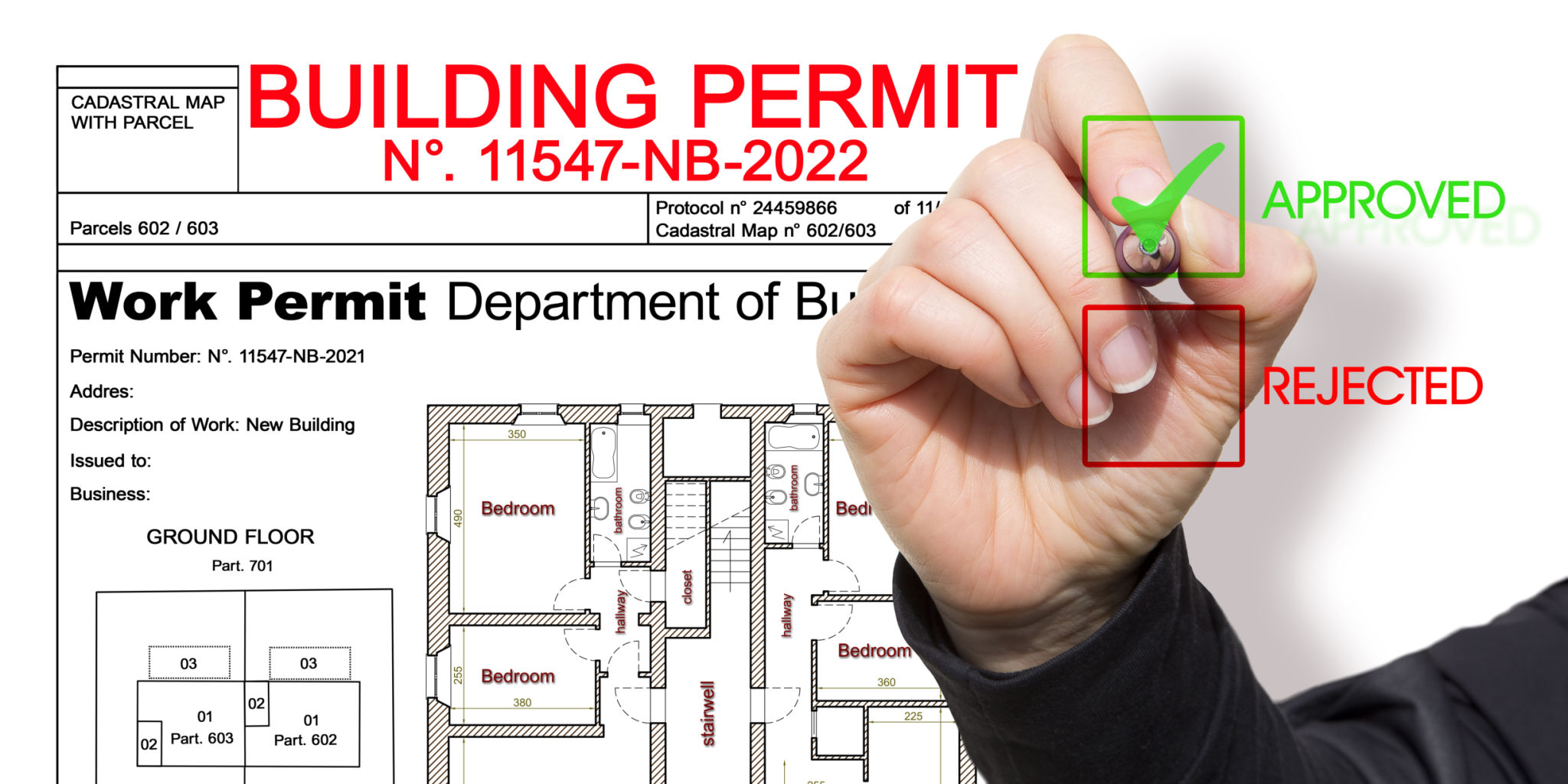
Overlooking local building regulations is a mistake that can halt your project in its tracks. Many homeowners underestimate the importance of permits and compliance with local codes. Failing to adhere to these can lead to fines and even the need to undo completed work.
Make sure to research the necessary permits and regulations before starting your project. Consulting with a local contractor or architect can provide guidance on these requirements, ensuring your extension is both legal and safe.
Budget Mismanagement
Another common mistake is underestimating costs, which can lead to budget overruns. Many homeowners only account for the basic construction costs, forgetting about unexpected expenses like material price increases or unforeseen structural issues.
To manage your budget effectively, include a contingency fund of at least 10-15% of the total project cost. This will give you a buffer to handle unexpected expenses without derailing your project.
Poor Communication
Communication breakdowns between homeowners and contractors can lead to misunderstandings and mistakes. It's crucial to maintain open and clear communication throughout the project to ensure everyone is on the same page.
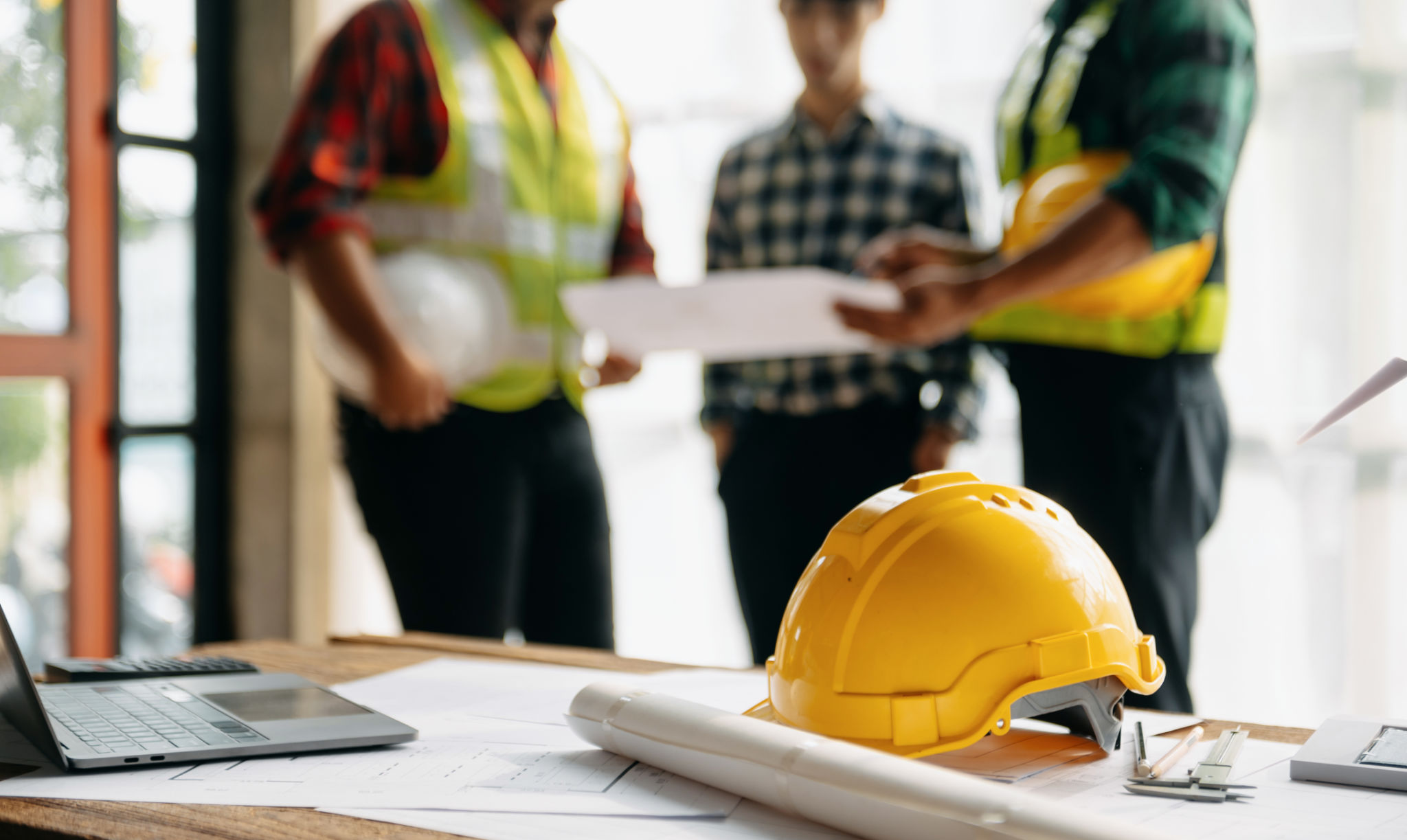
Establish regular meetings and updates with your contractor. Documenting all agreements and changes in writing can prevent disputes and ensure a smooth workflow.
Compromising on Quality
In an attempt to save money, some homeowners opt for cheaper materials or inexperienced contractors. While this may reduce initial costs, it can lead to issues such as poor workmanship and the need for repairs down the line.
Invest in quality materials and experienced professionals. This may cost more upfront, but it will increase the longevity and value of your home extension.
Neglecting Future Needs
Some homeowners make the mistake of not considering their future needs. Your extension should not only meet your current requirements but also anticipate future changes, such as family growth or the need for additional space.

Think long-term when planning your extension. This foresight will ensure your home continues to meet your needs for years to come, adding lasting value to your property.